

Can TMJ Cause Ear Pain?
Posted on December 10, 2025 by Associates Of Dentistry LLC
Wondering if TMJ can cause ear pain or if it will go away on its own? Learn what TMJ stands for, how it affects your ears, who treats it, and how Associates of Dentistry in Joplin, MO can help you find relief.
What TMJ Is (and What It Stands For)
TMJ stands for the temporomandibular joint, the hinge connecting your lower jaw to the skull just in front of each ear. When this joint or the surrounding muscles are irritated or out of balance, it is called a TMJ disorder or TMD.
Because the TMJ sits so close to the ear canal and shares nerve pathways with the ear, problems in this joint can feel like “ear trouble” even when the ear itself is healthy.
Can TMJ Cause Ear Pain?
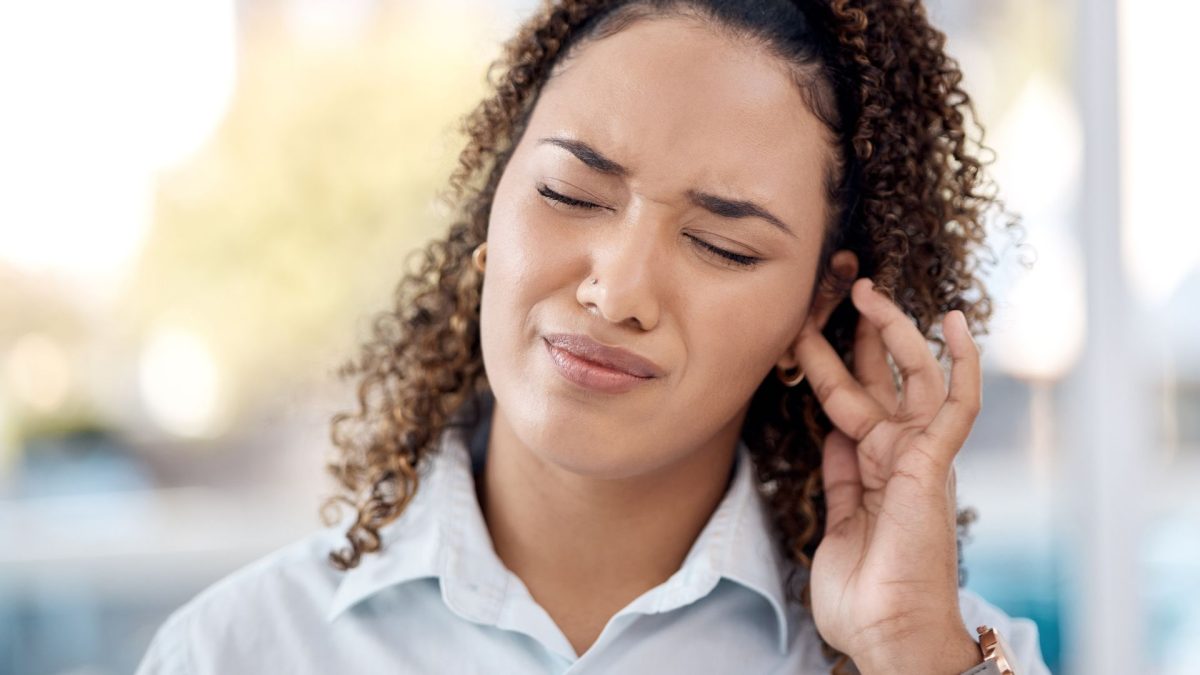
Yes—TMJ disorders are a well‑recognized cause of ear pain, ear fullness, and even tinnitus (ringing in the ears). Inflammation in the joint and tension in nearby muscles can irritate shared nerves, creating pain that radiates in and around the ear or feels like pressure or clogging.
Common TMJ‑related ear symptoms include:
- Aching ear pain or pressure that comes and goes.
- Ringing or buzzing in the ears (tinnitus) and occasional dizziness or balance issues.
If ear exams keep coming back “normal” but you still hurt, your TMJ may be the real source of the problem.
Does TMJ Go Away on Its Own?
Some mild TMJ flare‑ups do improve with rest, stress reduction, and avoiding hard or chewy foods. However, ongoing grinding, clenching, arthritis, bite problems, or past jaw trauma can keep irritating the joint, so symptoms often return or gradually worsen without targeted treatment.
That is why early evaluation matters. Addressing TMJ issues while they are still mild can:
- Reduce the risk of chronic pain, limited jaw movement, and long‑term joint damage.
- Make conservative, non‑surgical treatments more effective and often faster.
Who Treats TMJ—and How a Dentist Helps
Because TMJ dysfunction varies greatly among individuals and is influenced by multiple factors, treatment is always tailored to each patient’s unique needs. At Associates of Dentistry in Joplin, MO, our dentists trained in TMJ and bite function perform thorough evaluations to diagnose the cause of your symptoms. They assess how your teeth align, check for joint noises or tenderness, and identify signs of grinding or clenching that might be stressing your jaw joint.
At Associates of Dentistry in Joplin, MO, TMJ care may include:
- Custom night guards or splints to reduce grinding and protect the joint.
- Bite adjustments, restorative work, or orthodontic referrals when misalignment is contributing to strain.
- Guidance on jaw exercises, posture, and home care strategies to relax the muscles.
When needed, your dentist can coordinate with medical providers such as physical therapists, pain specialists, or ear, nose, and throat (ENT) doctors for more complex cases.
Actionable Steps if You Suspect TMJ
If you’re asking, “Can TMJ be causing my ear pain—and will it ever go away?” try these steps:
- Track your symptoms: Note when pain worsens (chewing, yawning, waking up) and any jaw clicking or locking.
- Soften your diet temporarily: Choose softer foods and avoid gum, very chewy bread, or tough meats to rest the joint.
- Use short‑term self‑care: Alternate warm and cool compresses at the side of your face, and practice relaxing your jaw (lips together, teeth apart, tongue resting on the roof of the mouth).
- Most importantly, schedule an evaluation.
How Associates of Dentistry Can Help
Associates of Dentistry in Joplin, MO can help determine whether your ear pain is related to TMJ and design a personalized plan to relieve your symptoms and protect your joints long term. Call today to schedule a consultation and take the first step toward quieter ears, a more comfortable jaw, and better everyday comfort.